What Is a Meme?
A meme is an idea, image, phrase or other cultural element that people copy and pass on. Online, memes often appear as related images, videos or text posts, with new versions changing the joke or context.

You might send a reaction GIF to a friend, reuse a familiar photo with a different caption, or repeat a line from a video. The connection between these versions helps people recognize the reference.
People can share a meme as it is or make their own version. A captioned image is one common form; the term also covers other kinds of imitation and shared expression.
In this article
What is the word meme short for?
Richard Dawkins coined meme in his 1976 book The Selfish Gene. He shortened mimeme, drawn from a Greek root for imitation, to make a word that sounded like gene. Meme is pronounced “meem,” rhyming with cream. It is not an acronym.
Dawkins was describing cultural transmission, including ideas and tunes. He named a way of thinking about how people copy culture; he did not invent online image templates.
What forms can a meme take?
Online memes can share a picture, a sound or a repeated way of presenting an idea. These are common forms you may recognize:
- Captioned images
- People keep a picture or layout and change the words. Drake’s rejection-and-approval panels are one example.
- Reaction images and GIFs
- Someone uses a face or short movement to respond to a new situation. A separate caption is optional.
- Audio and video remakes
- People reuse a sound, repeat a performance or parody a clip in their own setting.
- Repeated text
- A phrase or sentence pattern becomes recognizable as people repeat it or change part of the wording.
Memes in Digital Culture, published by MIT Press
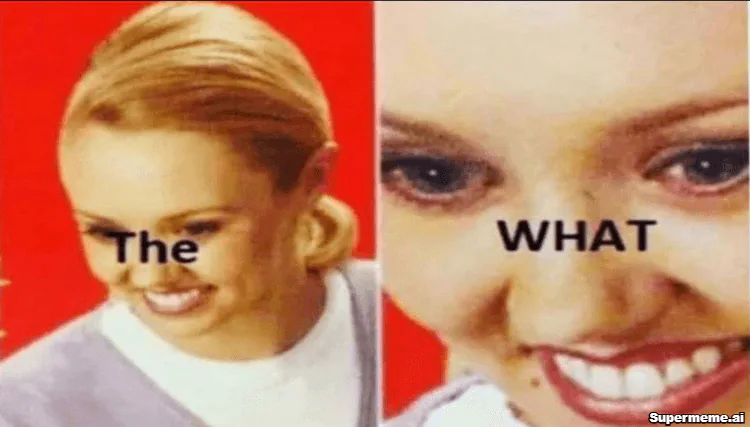
For moving reactions, browse the GIF meme examples.
How the same reaction becomes new memes
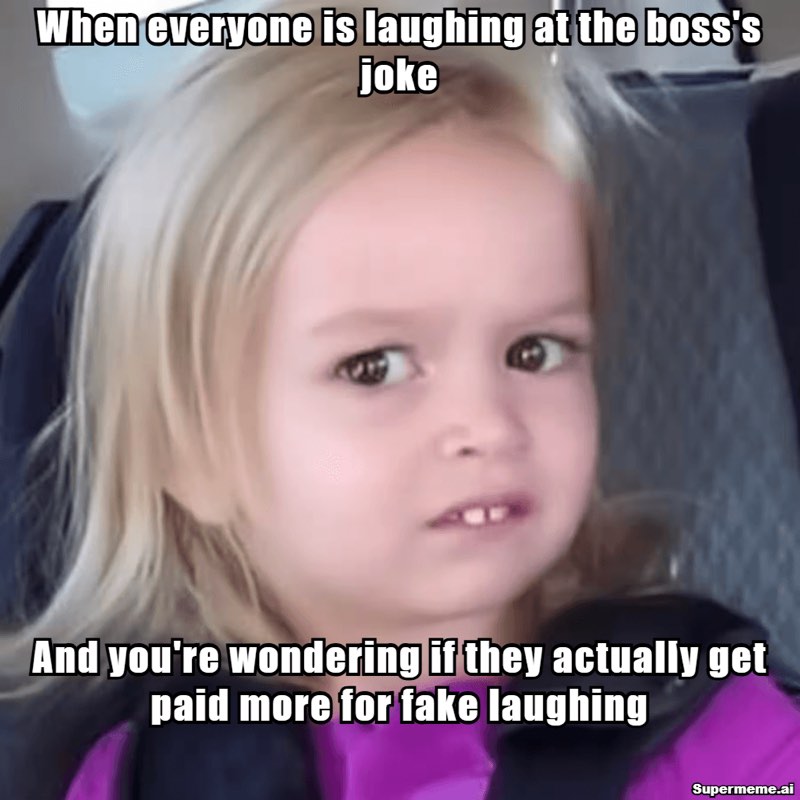
In this Chloe example, the sideways look suggests skepticism. The caption puts that expression in a workplace situation: colleagues laughing at the boss’s joke, with a question about whether fake laughing earns more pay.
Change the situation and the face can express a different doubt. The recognizable reaction stays; your words supply the new context.
Caption ideas to try
- A “quick sync” with a sixty-minute invite
- A free trial that needs my card details
These are new caption suggestions, separate from the pictured example. Add or replace text layers with your own words. Replace any placeholder text before exporting.
Edit the Chloe reactionOther formats give you a different relationship to work with:
Distracted Boyfriend
Label the person, the existing commitment and the tempting alternative. The joke comes from the mismatch between what someone should focus on and what catches their attention.
Edit Distracted BoyfriendDrake Hotline Bling
The upper panel rejects one option; the lower panel prefers another. Put the two choices in the corresponding spaces so the image and caption agree.
Edit Drake Hotline BlingFor more reactions and topics, browse the meme collection.
Why do people share and change memes?
Sharing a meme lets you pass along a recognizable reference. Making a variation lets you add your own situation or point of view. Familiarity helps, but the reader still needs enough context to understand the post.
A reference supplies part of the setup
If you know the Drake format, you can read the two panels as a preference before seeing the new choices.
A caption makes it personal
A familiar face can now refer to your meeting invite or a problem your friends have experienced.
A version invites another version
Someone can reuse the same layout, change the labels and continue the joke with their own example.
Limor Shifman’s research on internet memes
Viral usually describes wide or rapid sharing. Meme emphasizes a recognizable reference that people circulate or adapt. The ideas overlap: a meme can spread widely, while a viral post can remain largely unchanged. There is no follower or view-count threshold that makes every post a meme.
For posting decisions, see the guide to using memes on social media.
How to make a captioned meme
- Choose a reaction or relationship that fits your point. Check the whole picture, including its existing text and associations.
- Write a situation the audience can recognize. Place each line or label beside the part of the image it describes.
- Read the finished version at the size people will see. Shorten the caption if it hides the expression or needs a long explanation.
For a planning framework, see The 5 Elements of a Meme. It connects the image, caption and audience.
The step-by-step meme-making guide covers writing, editing and downloading your version.
For a public or commercial post, check the image source and your permission or other applicable basis for using it. Our U.S. meme copyright guide explains the questions to review.
If you want help choosing a format and writing captions, the text-to-meme generator takes a written idea and suggests meme options. Review the result for your audience before sharing it.
Questions about meme meaning
How do you pronounce meme?
Meme is pronounced “meem.” It rhymes with cream.
Is meme an acronym?
No. Richard Dawkins shortened mimeme, drawn from a Greek root for imitation, to make a word that sounded like gene. It is not the initials of a longer phrase.
Who invented memes?
Richard Dawkins coined the word in The Selfish Gene in 1976. He was naming cultural imitation. That does not make him the inventor of online images, jokes or the practice of copying ideas.
Does a meme have to be a picture?
No. Memes can appear as related videos, sounds, text patterns or repeated performances, as well as images. A picture with a caption is one common form.
Do memes have to be funny?
No. People also use memes to express support, frustration or a political view. Humor is a familiar use, but it is not a requirement.
What is the difference between a meme and a viral post?
Viral usually describes wide or rapid sharing. Meme emphasizes a recognizable reference that people circulate or adapt. A meme can go viral, and a viral post can inspire memes; the words describe different aspects of how content travels.
How can I make my own meme?
Choose an image or format that fits your situation, write a caption, and check that the words and picture make sense together. A manual editor lets you set the text; an AI generator can suggest template and caption options from a written idea.
Can a brand make a meme go viral?
A brand can make and share a meme, but the format does not guarantee reach or sales. A recognizable reference may give readers a way into the joke. The connection still has to make sense to the people who see it.
For campaign planning and measurement, use the meme marketing guide.
What makes a meme fit a brand?
Before publishing, check the audience and the point of the post.
Know the audience
Choose a reference the intended readers can understand. A joke for developers may need different context from one for customers.
Use a voice you can stand behind
Keep the caption consistent with how the brand speaks elsewhere. Consider how it reads without the surrounding conversation.
Check the current context
Review what the reference means now and whether the audience still recognizes it. A deadline is not a reason to skip that check.
Make the connection clear
The joke should relate to the product, the customer or a shared situation. A logo alone may leave readers wondering why the brand posted it.
Archived examples of brands using memes
These older posts show how brands used jokes and recognizable reactions. Dates and advertising claims belong to the archived posts; the screenshots do not establish current campaigns or measured results.
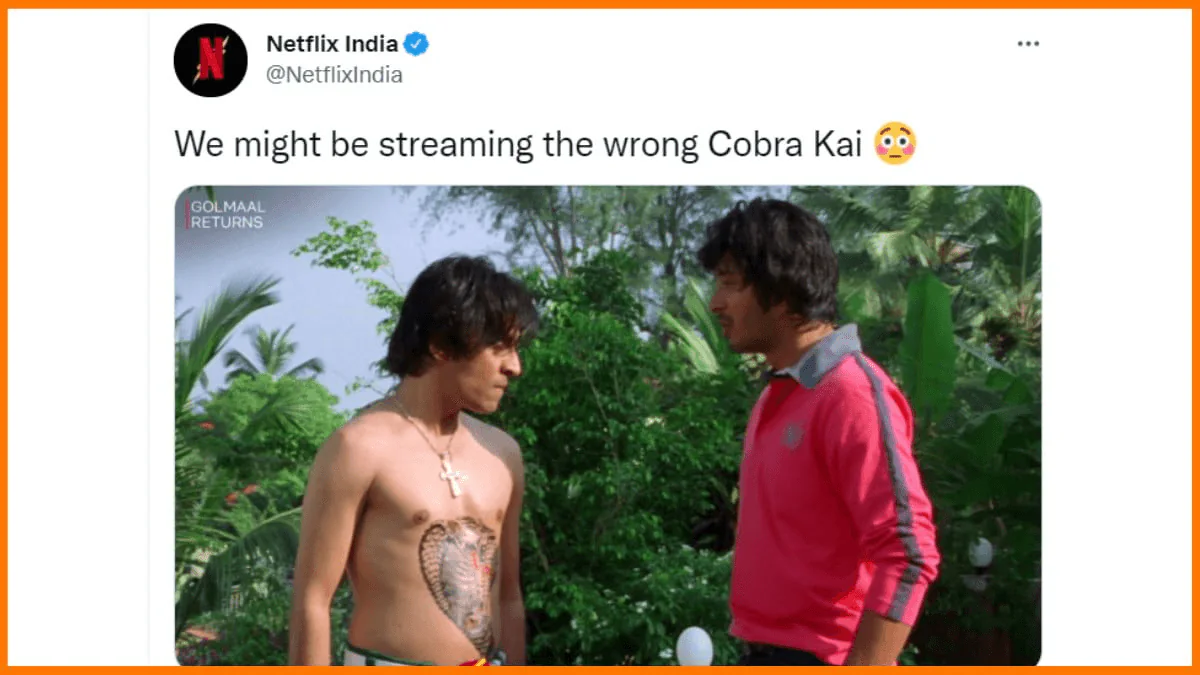
Netflix India
The post combines a Cobra Kai reference with a Golmaal Returns scene. Recognizing both supplies the crossover joke.
View the Netflix India post
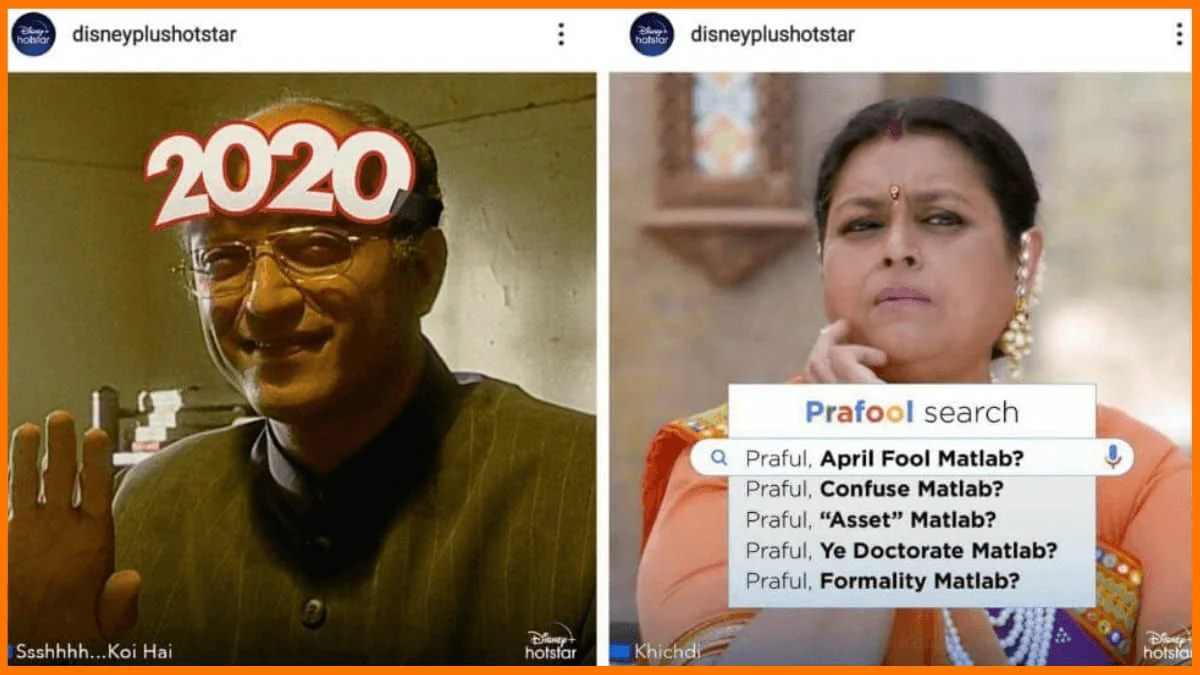
Hotstar
This collage contains two posts: a character labelled 2020 and a dialogue joke written as search suggestions. Each asks readers to recognize a reference.
View the Hotstar posts
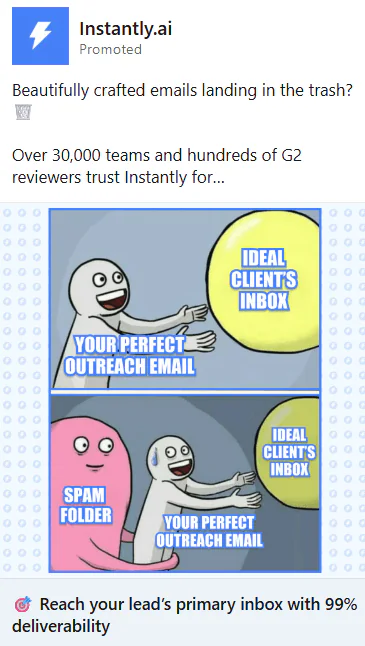
Instantly
The Running Away Balloon format gives the outreach email a goal, the client’s inbox, and a blocker, the spam folder. The deliverability claim is part of the old ad.
View the Instantly ad
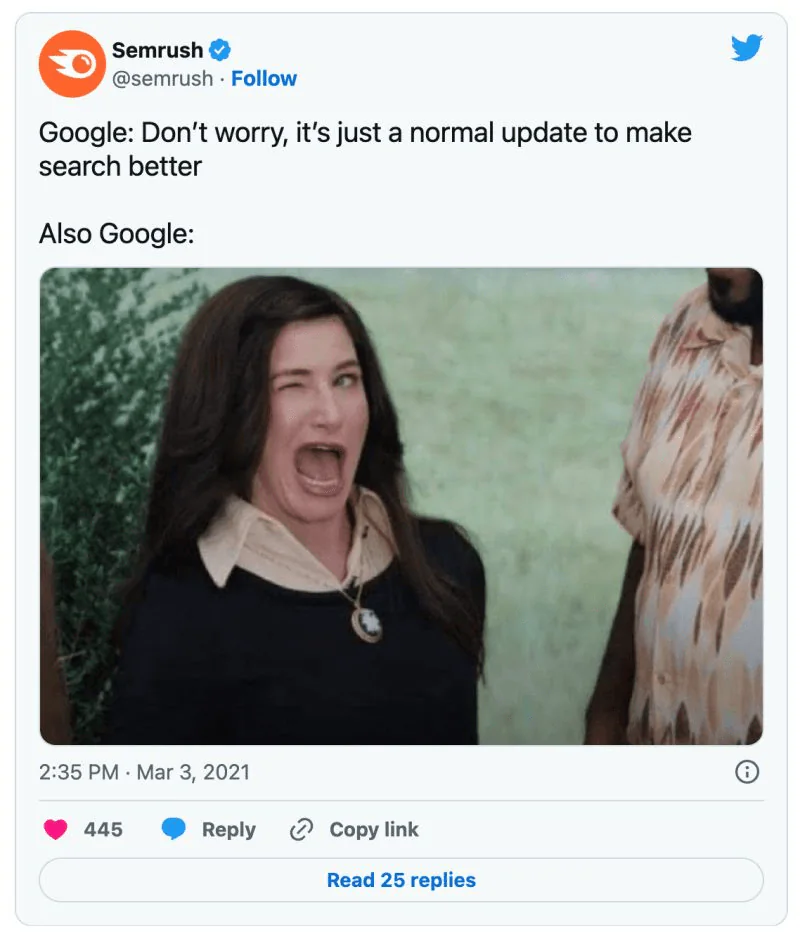
Semrush
The caption contrasts reassurance about a Google update with a screaming reaction. The joke depends on the SEO reader recognizing that worry.
View the Semrush post
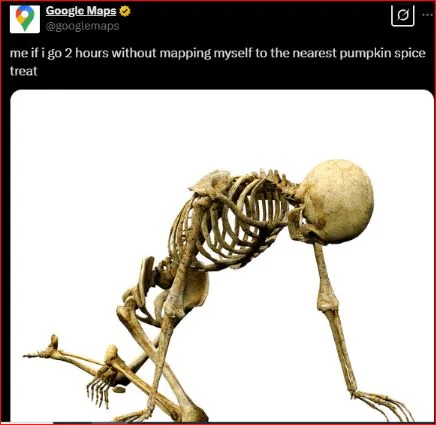
Google Maps
The skeleton and pumpkin-spice caption exaggerate a seasonal craving while referring to the product’s navigation function.
View the Google Maps post
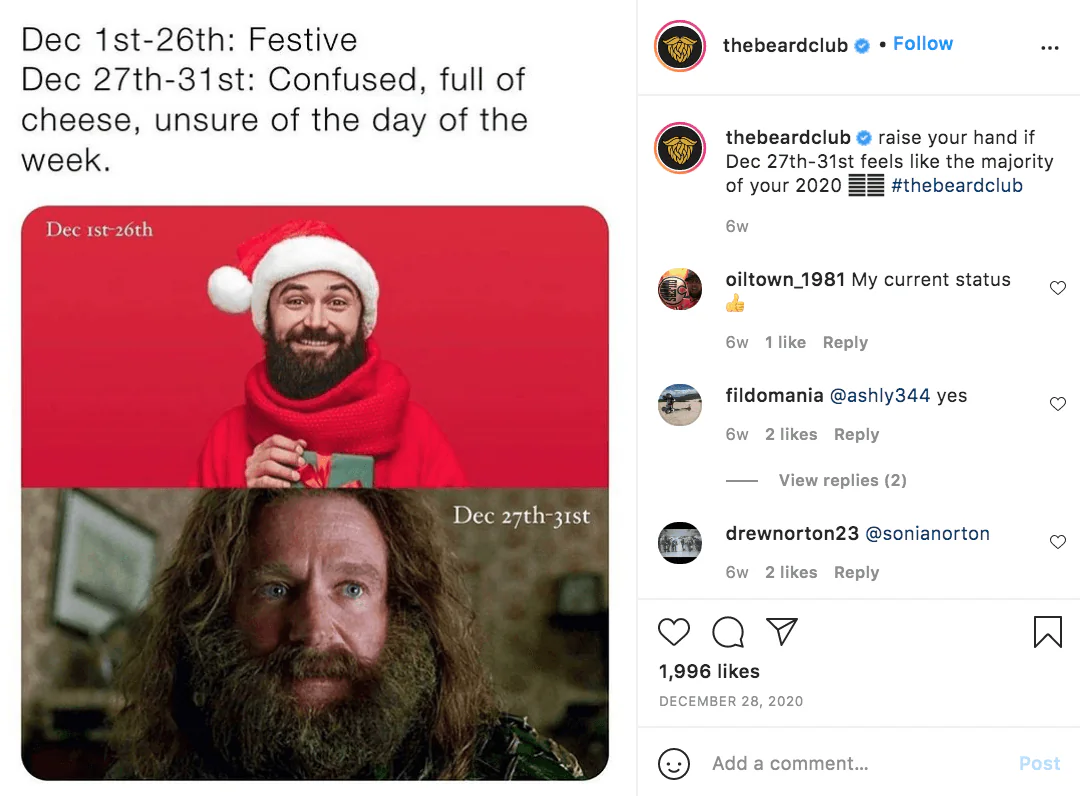
The Beard Club
Two contrasting bearded faces illustrate the festive part of December and the confused days before New Year. The caption supplies the shared situation.
View The Beard Club post
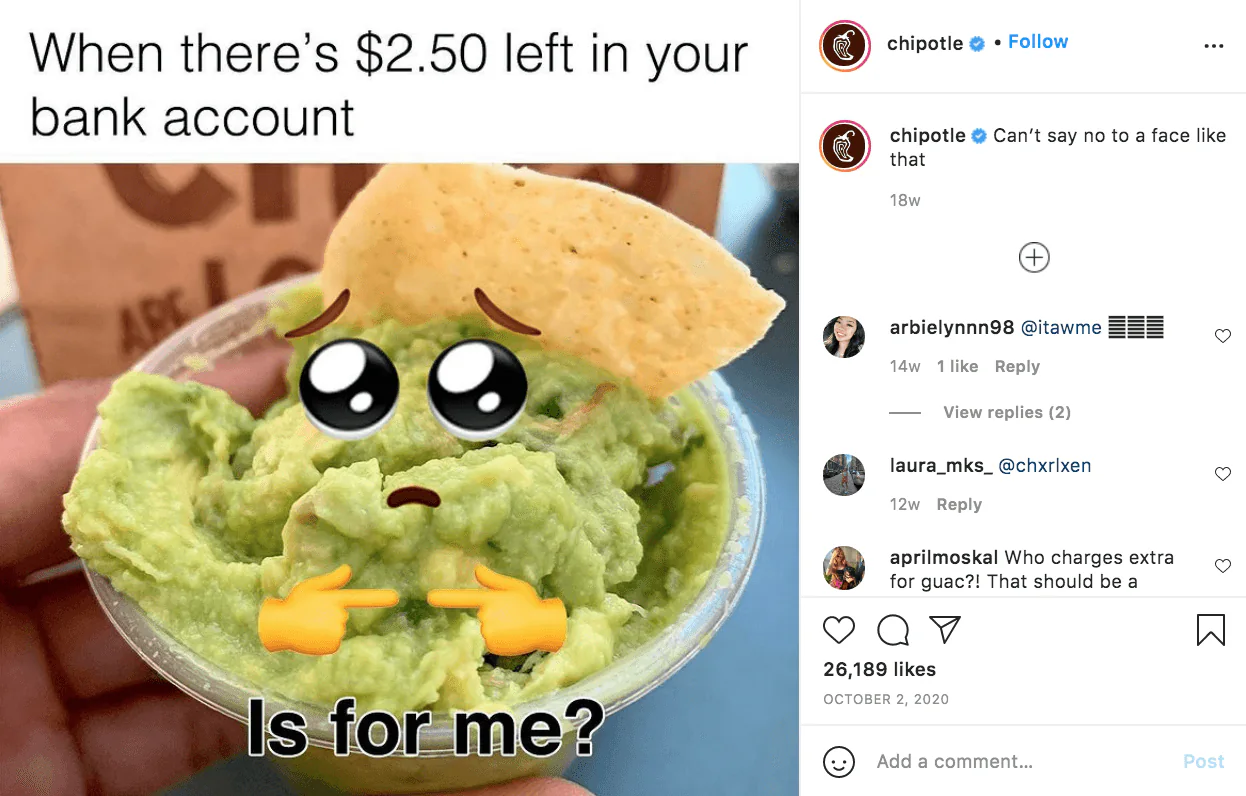
Chipotle
A pleading face on the guacamole turns the product into the object of a craving, alongside a caption about having little money left.
View the Chipotle post
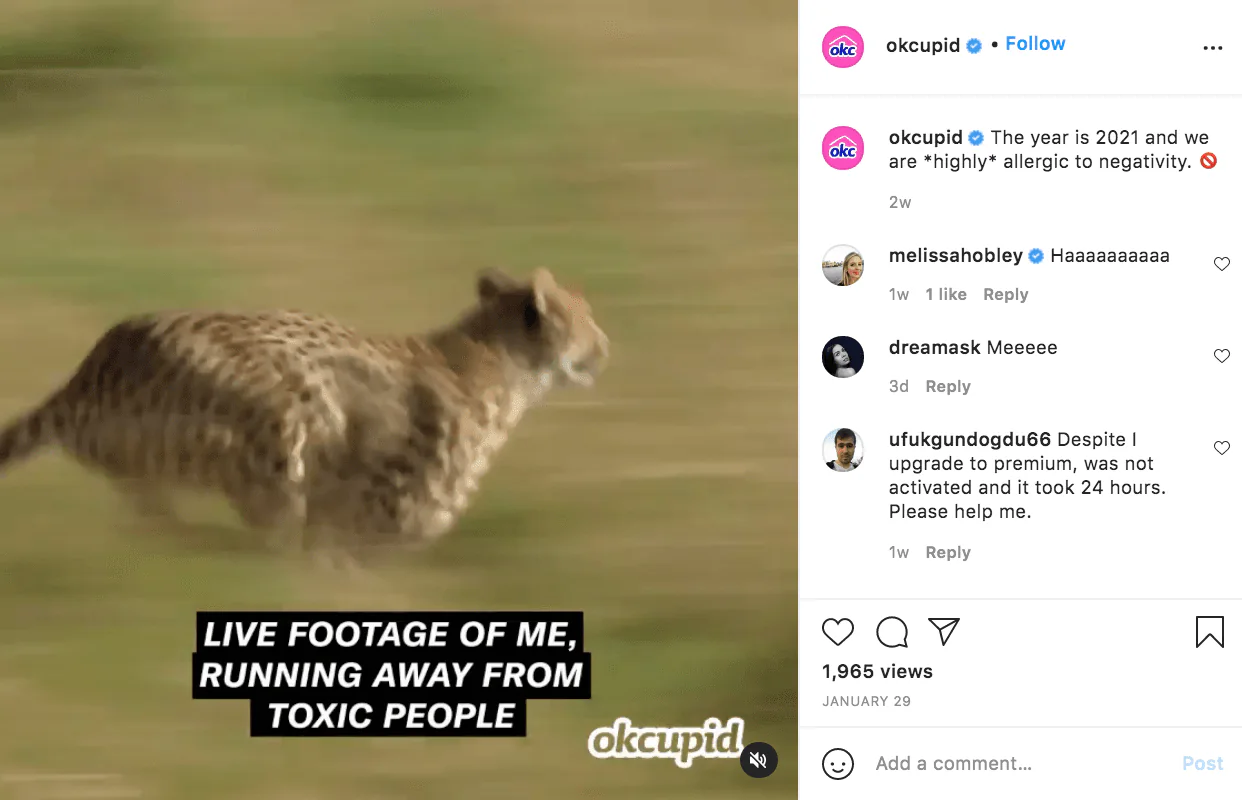
OkCupid
The running cheetah and caption express a wish to avoid toxic people. The archived screenshot is an illustration of that message, not a campaign-result case study.
View the OkCupid post
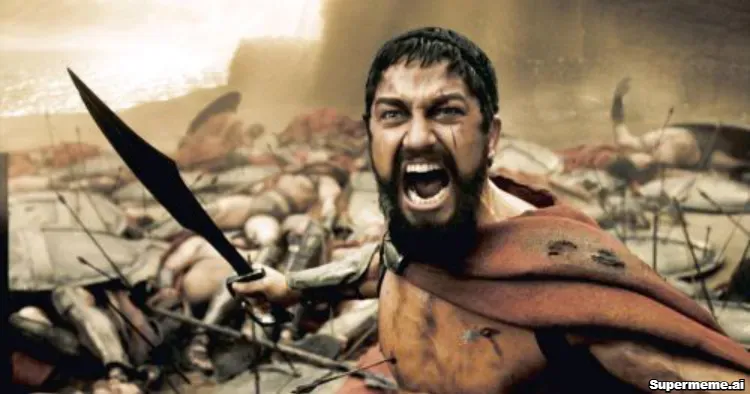
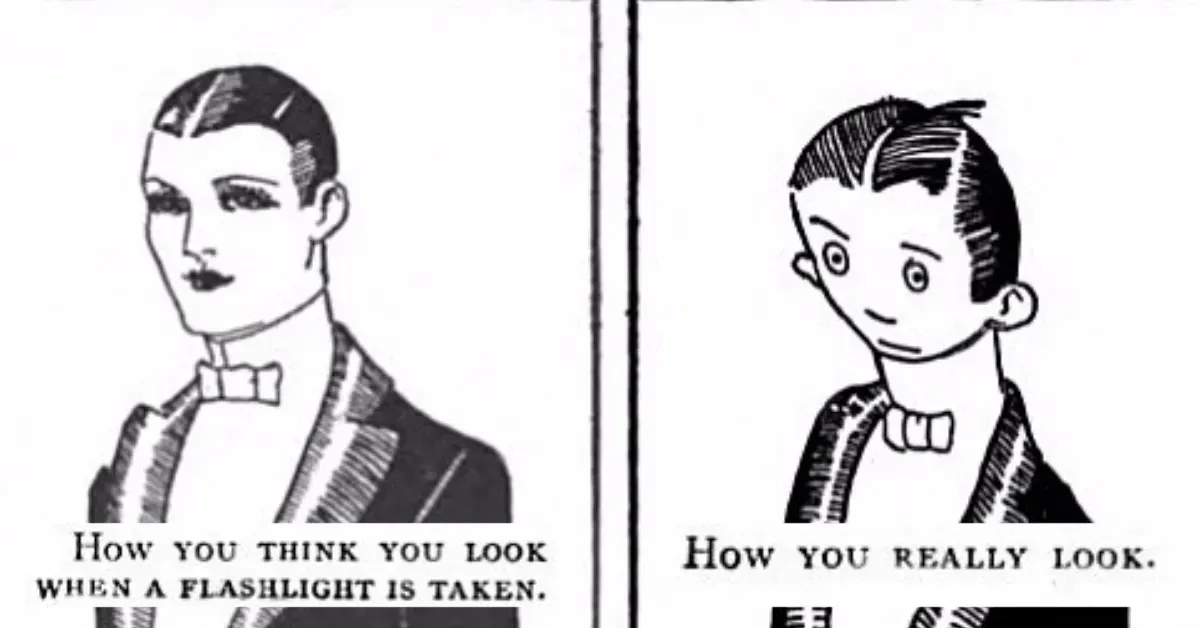
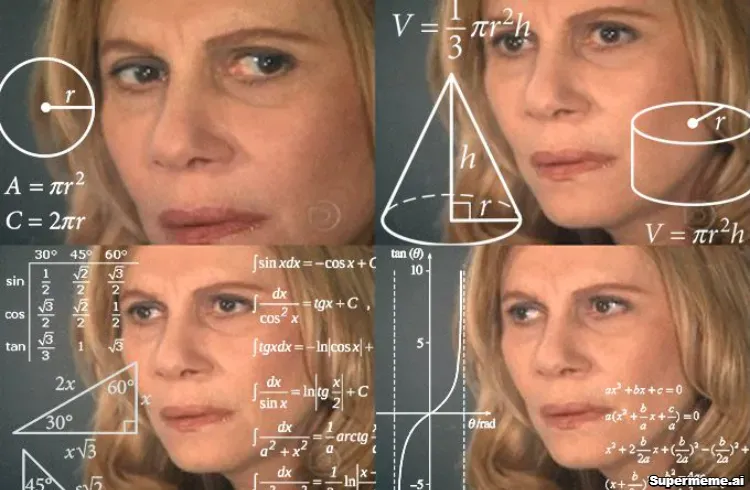
Earlier illustrations
These pictures illustrate reactions or contrasts. They do not establish when memes began or prove a first recorded meme.
View three more illustrations
Written by
Sanjeev NCCo-founder of Supermeme.ai. Building the default meme generator of the internet since 2022.