The 5 Elements of a Meme
Use template, copy, message, context and template-copy fit to review an image-and-caption meme. Look at the picture and words, then check what your intended reader is likely to understand.

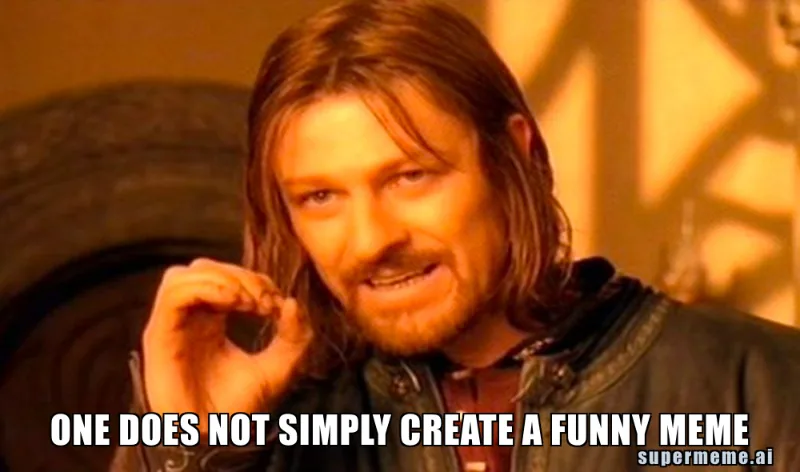
This is a review method for captioned and labelled images. For the broader definition and other formats, read what a meme is.
Start with the Image and Words
Look at these two parts before you explain the joke: what is happening in the picture, and what have the words added?
1. Template
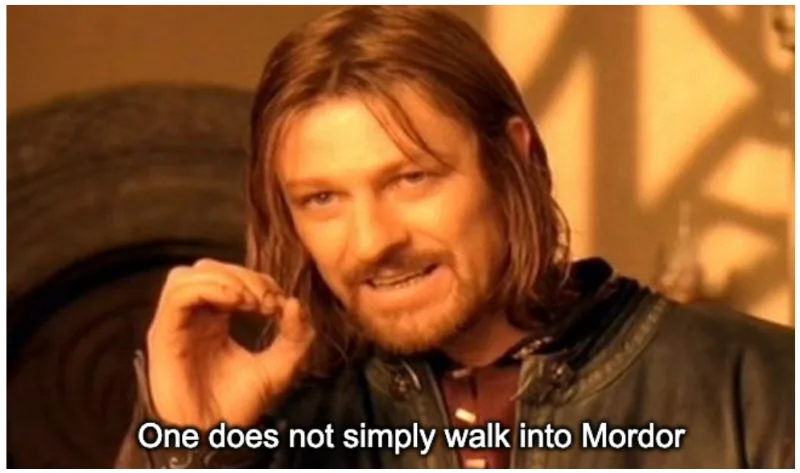
A template gives you a scene, reaction or set of roles to work with. A doubtful expression can support a caption about skepticism. A picture of someone looking away from their companion can show attention shifting.
Choose an image whose action fits your idea. The template choice guide compares how a dilemma, a preference and a distraction change the same joke.
2. Copy
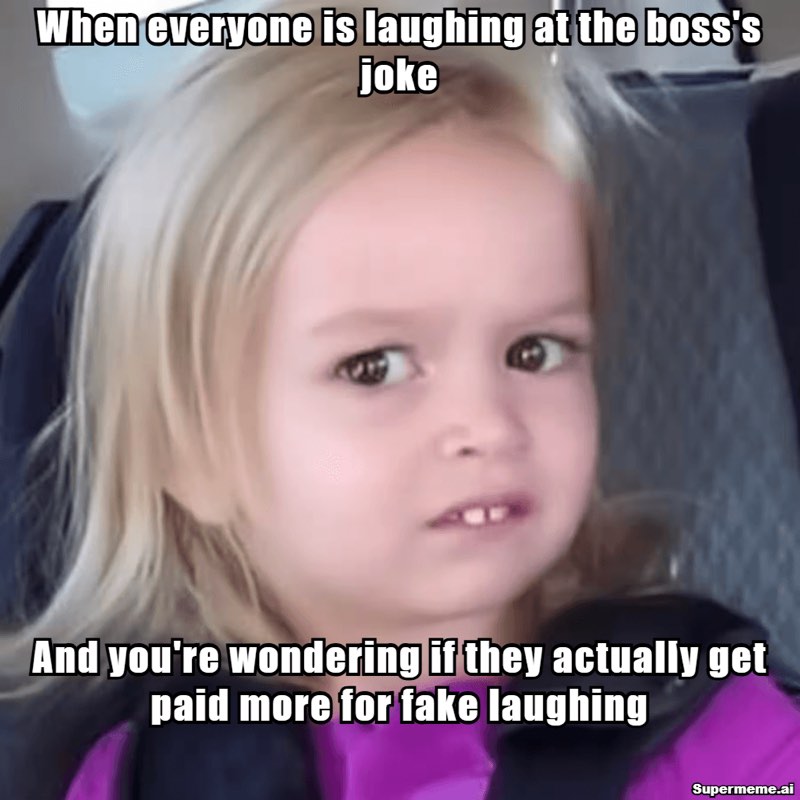
Copy is the caption or labels placed on the image. It can introduce a situation, name the people in it or deliver a punchline. Write enough for the reader to follow the idea, then cut words that repeat what the picture already shows.
Check the Meaning and Audience
The next questions concern the idea you want to communicate, what your reader brings to it and how the words fit the picture.
3. Message
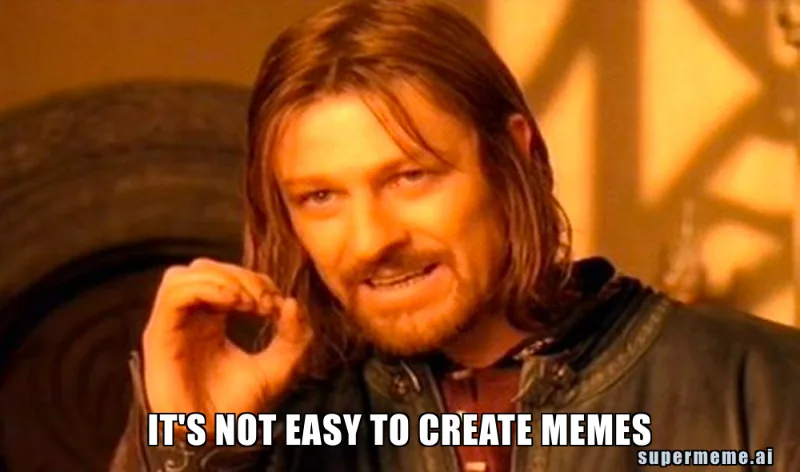
The message is the observation behind the joke. In the Boromir example, it is that making a funny meme is difficult. Write that observation in a plain sentence while drafting. It gives you something to compare caption alternatives against.
4. Context
Context is the knowledge a reader uses to interpret the joke. That may include a familiar quote, an office habit or the topic of the post. Decide who you are writing for before assuming they know the reference.
Someone who recognizes Boromir’s “one does not simply…” line has an extra connection to the first example. The captioned Chloe joke is more specific: it asks readers to recognize the awkwardness of laughing at a boss’s joke. A short post introduction can supply missing situation details.
5. Template-Copy Fit (TCF)
Template-copy fit asks how the words work with the image. Does the caption match the reaction? In a labelled scene, does each label name the right person or object? Placement matters too: text should be readable without covering the expression or action you need.
The Five-Element Checklist
Use these questions on a draft. Start with the answer that is hardest to explain, then revise the image or words.
- 1
Template
What does the scene suggest before you add words? Look at its reactions, actions or relationships.
- 2
Copy
Can your reader follow the caption at the size you plan to share? Cut words that repeat the picture.
- 3
Message
What observation do you want the reader to take away? Say it in a plain sentence before revising the joke.
- 4
Context
What does your reader need to know about the situation or reference? Add a little post context if they need it.
- 5
Template-Copy Fit
Do the words agree with the reaction or roles? Check which person or object each label refers to.
Worked Example: Read the Three Roles
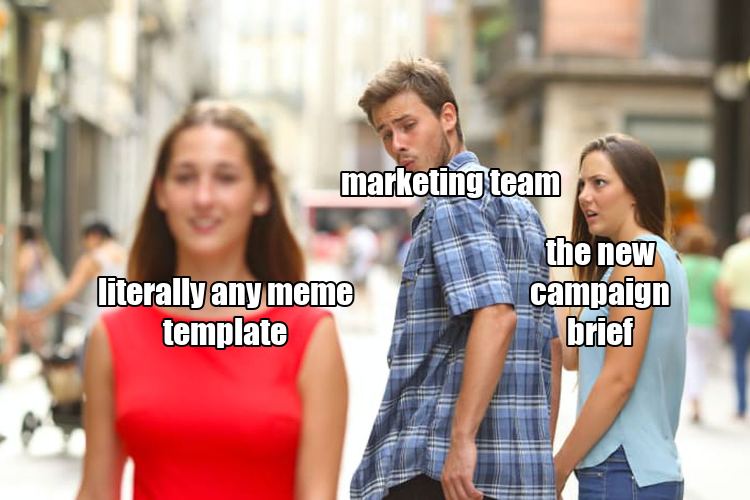
This Distracted Boyfriend example jokes about a marketing team getting distracted from its campaign brief. Read the labels together with where each person is looking.
- Template
- The center man looks toward the woman in red at left while the woman beside him at right reacts to his attention shifting.
- Copy
- The center man is “marketing team.” The woman at right is “the new campaign brief.” The woman in red at left is “literally any meme template.”
- Message
- The team is choosing a template before checking what the campaign brief needs.
- Context
- People who work with marketing briefs are the intended readers. They know the temptation to start making a post before working out what it should say.
- Template-Copy Fit
- The labels map the team, its current commitment and its distraction onto the three people. Keep each label close to the right subject and leave the expressions visible.
| Element | What to check in this image |
|---|---|
| Template | The center man looks toward the woman in red at left while the woman beside him at right reacts to his attention shifting. |
| Copy | The center man is “marketing team.” The woman at right is “the new campaign brief.” The woman in red at left is “literally any meme template.” |
| Message | The team is choosing a template before checking what the campaign brief needs. |
| Context | People who work with marketing briefs are the intended readers. They know the temptation to start making a post before working out what it should say. |
| Template-Copy Fit | The labels map the team, its current commitment and its distraction onto the three people. Keep each label close to the right subject and leave the expressions visible. |
The campaign-brief label wraps over several lines. Preview it at your intended sharing size and check that readers can connect it to the woman at right.
Try a three-label draft
Use a situation you recognize: a person, something they should focus on and something tempting them away. For a practice draft about getting distracted while writing a post, try these labels:
- Center man
- “Me”
- Woman at right
- “The post I need to finish”
- Woman in red at left
- “A new idea”
These are suggested practice labels, separate from the pictured marketing example. Add or replace text layers with these labels or your own. Remove any remaining placeholder text before exporting. Check their roles, shorten any awkward line breaks and keep the faces visible.
Use the Checks When Revising
Show a draft to someone familiar with the situation and ask what they think it means. If their reading differs from your message, check the label roles and missing context before adding more words.
The meme creation guide walks through editing and downloading. If you need caption directions to explore, start with a written idea and review the suggestions using the same questions.
For a brand post, compare the draft with the brief and have the right person review it before sharing. The meme marketing guide covers planning a post around its audience and purpose.
Questions About the Five Elements
What are the 5 elements of a meme?
This guide uses template, copy, message, context and template-copy fit to review image-and-caption memes. The template and copy are the picture and words; the other questions help you check the idea, intended reader and fit.
What is template-copy fit (TCF)?
Template-copy fit describes how the words work with the image. A reaction caption should agree with the pictured reaction; a labelled meme should put each label on the person or object it describes. Position and readability are part of that check.
Does every meme need all five elements?
The five elements are a practical review framework for captioned and labelled images, rather than a universal rule for every meme. Use the questions that apply to the format you are making.
Does the audience need to know the template?
Recognizing a familiar format can help readers follow a reference. An expression or action may also make sense on its own. Show the draft to someone from your intended audience and ask what they think it means.
Can I translate a meme into another language?
Review both the words and the reference. A word-for-word translation may change a pun or leave a situation unfamiliar to the reader. Check the wording with someone who understands the language and intended audience, then revise the caption or example as needed.
Written by
Sanjeev NCCo-founder of Supermeme.ai. Building the default meme generator of the internet since 2022.