Ultimate Guide to Meme Marketing
Boost Your Brand with Viral Content
Memes are the internet's native language. Here's how to speak it as a brand - what works, what backfires, and how to ship memes people actually share.
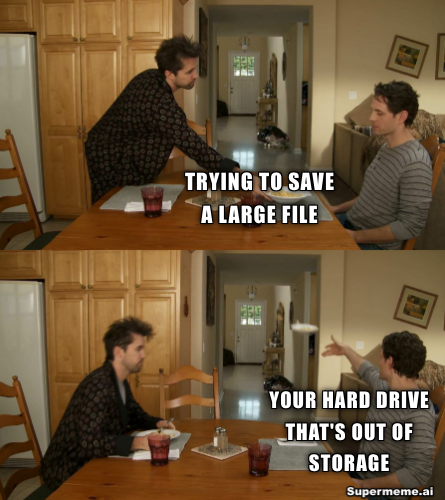

What is meme marketing?
Meme marketing means using memes to promote your brand - to grab attention, explain ideas fast, and be remembered as the funny one in the feed.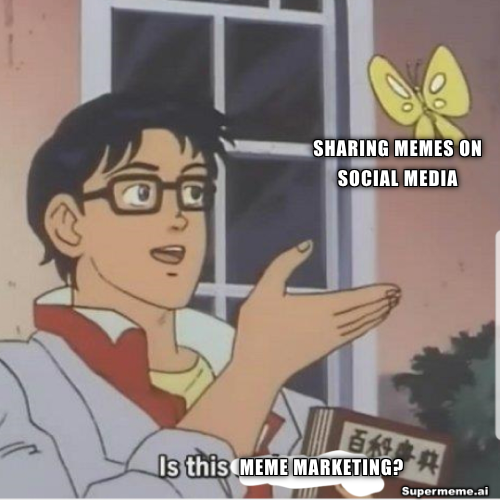
Benefits of Meme Marketing
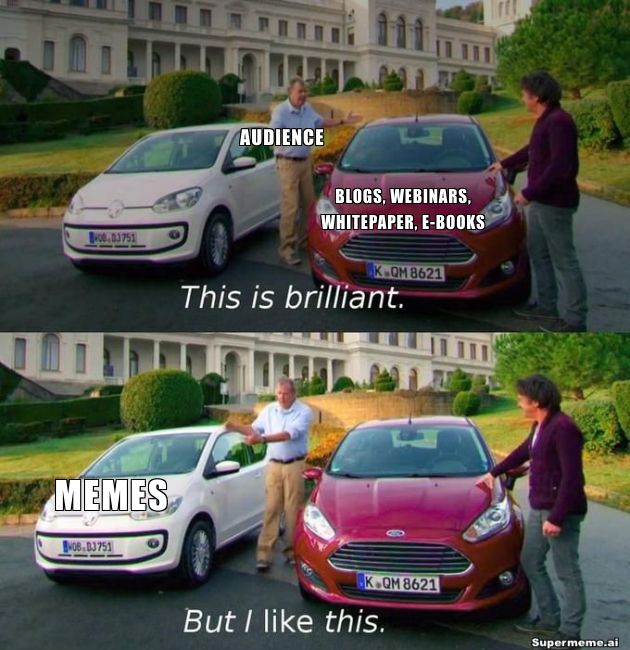
Gather attention
Memes stop thumbs. Traditional content gets scrolled past; memes get a pause.
Easy to consume
A meme lands in two seconds. No one 'saves for later' a meme.
Likely to spread
People share memes voluntarily - free distribution most content never gets.
Better brand recall
Everyone writes content. Be the brand people remember for the jokes.
How can I use memes in my marketing?
Effective ways to incorporate memes in your marketing strategy
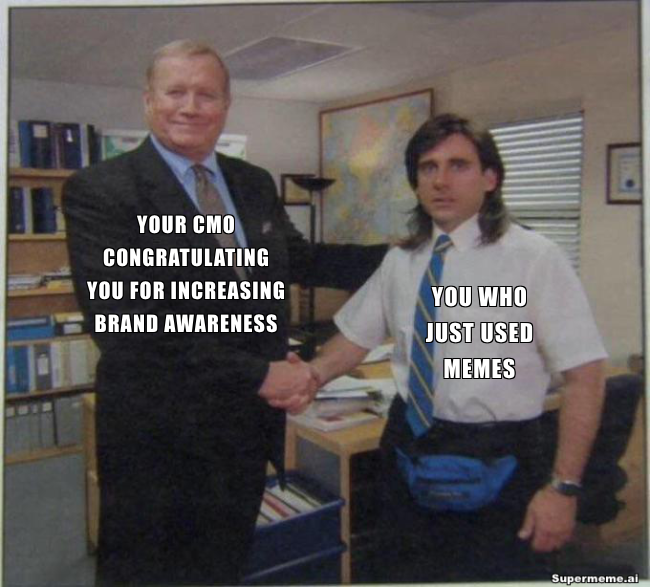
Outbound marketing
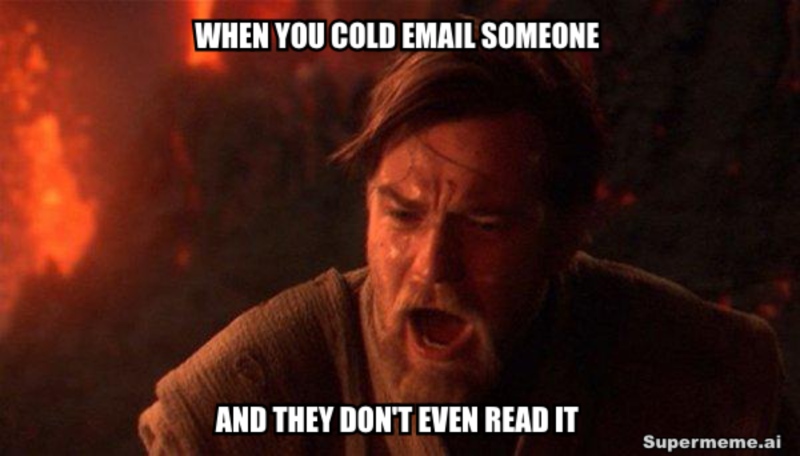
Earn better reply rates by opening cold DMs with a laugh
Paid Ads
Meme creatives don't look like ads - which is exactly why they work
Try AI Meme Generator for free today
Get 10 free credits every month. No credit card required.
Try Now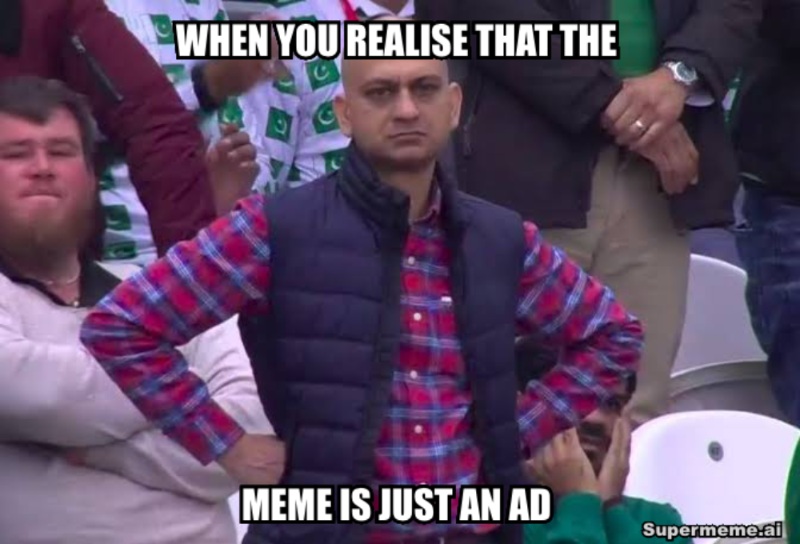
Social Media
Boost engagement on social platforms with relatable memes
Blog posts
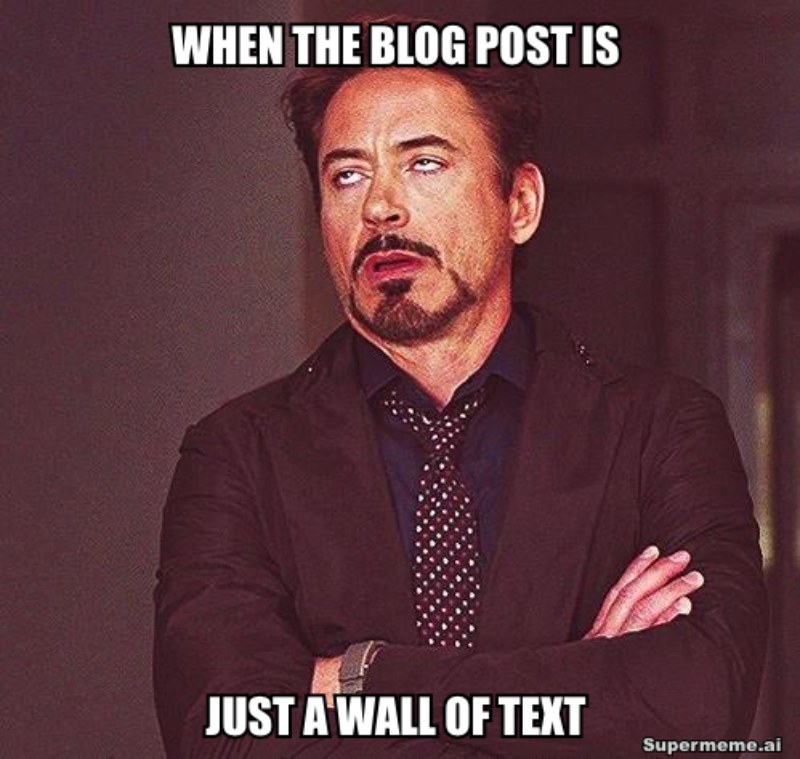
Break the monotony of text using memes to illustrate your content
Presentations
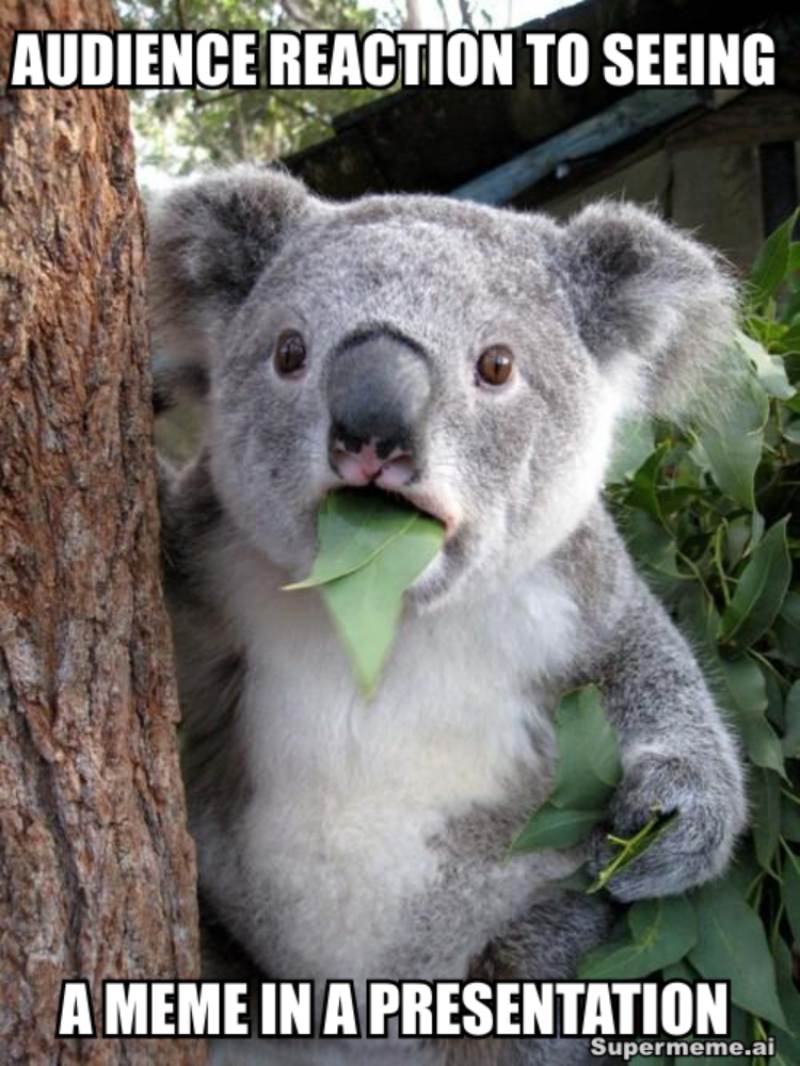
Make your slides memorable - a meme outlives the meeting
Cold Emails
Stand out in crowded inboxes with a meme that earns the reply
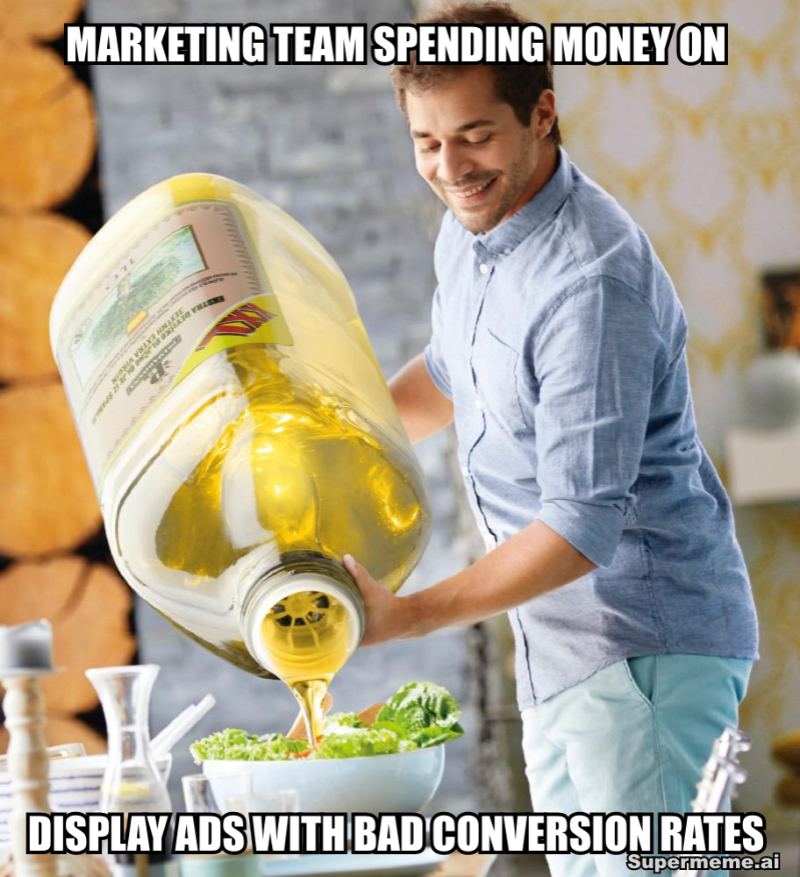
Display Ads
Capture attention in busy online spaces with meme-based creatives
Step-by-step meme marketing guide
Step 1: Define the problem your product solves
Problems are perfect meme material. Memes run on exaggeration, absurdity, and irony - and nothing invites all three like a problem your audience suffers through daily. Laughing at a shared problem makes it feel manageable, and makes the brand pointing at it feel like an insider.Step 2: List your audience's most painful problems
Rank the problems by how many people feel them and how much they hurt. The more universal the pain, the more shares the meme earns.
Step 3: Pick problems that are popular and easy to understand
Memes communicate more with less. If the problem needs explaining, it can't carry a punchline - pick the ones your audience recognizes on sight.
Step 4: Turn each problem into a real-life situation
Memes mock situations, not abstractions. 'Limited storage' is a problem; 'trying to save one more file and watching your laptop give up' is a meme.
Step 5: Create memes on the situations
Now the fun part. Search the situation on Supermeme.ai to find a matching template, then write the caption straight from the situation itself. No comedy degree required.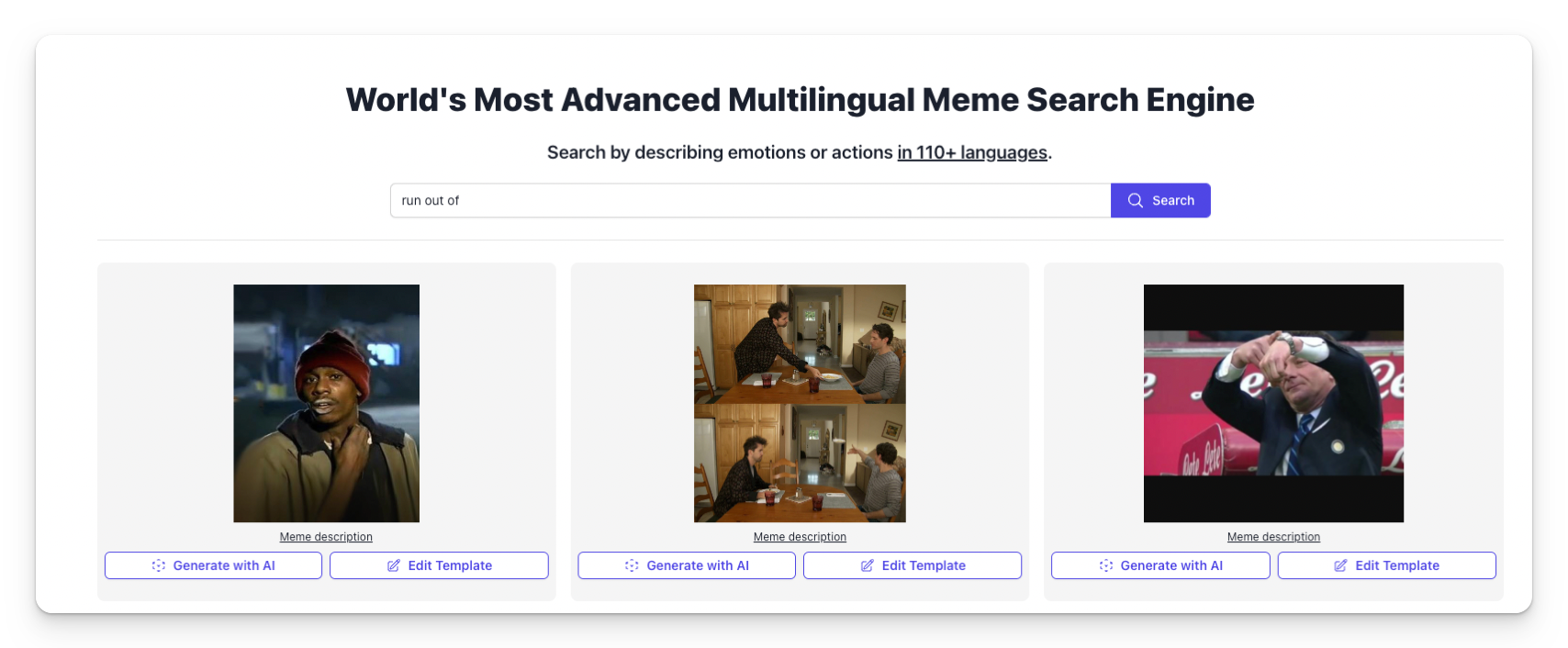
Step 6: Distribute the meme
Post it where your audience hangs out. Memes travel by being downloaded and re-shared, so add a subtle watermark or logo - the meme keeps marketing for you wherever it lands.
Examples Meme Marketing by Popular Brands
Some brands have made memes part of their identity:
- Wendy's - Built an entire social persona out of roasting competitors and replying to fans with meme-speed wit. People follow for the jokes and stay for the burgers.
- Netflix - Turns its own shows into meme fuel, like Stranger Things' Eleven and 'Friends don't lie'. The memes market the show, and the show generates more memes.
- Denny's - Tweeted a pancake with the caption 'Zoom in on the syrup'. Absurd, cheap to make, and it went viral.
- GroupOn - Used the confused-dog format for 'When you realize you saved money with GroupOn'. Simple, relatable, on-message.
- Old Spice - Turned spokesman Isaiah Mustafa into a meme factory, extending its famously absurd ads into shareable formats.
Benefits of Meme Marketing
Memes look frivolous on a marketing plan and outperform half of it in practice. Here's why:
Cost effective:
A meme needs a template, a caption, and five minutes. No production budget, no agency - and distribution is free, because people share memes voluntarily.
Attention grabbing:
Memes are built to stop thumbs. Humor earns the pause that polished ad creative rarely gets, and gives your content a real shot at spreading.
Stand out from the crowd:
Everyone publishes blog posts, webinars, and white papers. Almost nobody in your category is consistently funny - which makes funny a differentiator.
Position yourself as a modern brand:
Using memes well signals your brand is current and in on the joke. Create branded memes with a consistent logo, color palette, font, and mascot so the joke still feels unmistakably yours.
Appeal to Gen Z:
Millennials and Gen Z grew up speaking meme. If they're your market, memes aren't a gimmick - they're the native format.
Keep in mind while using memes
Stay Relevant:
Memes expire fast. A format that peaked six months ago reads like a 'How do you do, fellow kids?' costume - check what's current before you post.
Be Authentic:
Trying too hard is the cardinal meme sin. The meme should sound like your brand on a good day, not like an intern impersonating the internet.
Know Your Audience:
Humor is audience-specific. Match the references and tone to what your people actually find funny - not what a trend report says.
Use Memes Sparingly:
If every post is a meme, none of them land. Mix memes into your content strategy; don't replace it.
Potential risks in meme marketing
Meme marketing has real upside and a few sharp edges. Know them before you post.
Negative branding
A meme that falls flat doesn't just get ignored - it can get screenshotted. Research your audience so your memes read as in-jokes, not out-of-touch.
Offending someone
Humor and satire can cross lines. Punch up, steer clear of sensitive topics, and when in doubt, don't post. No meme is worth an apology thread.
Outdated memes
Overused formats lose their punch and date your brand. Rotate templates, retire tired ones, and keep an eye on what's actually circulating.
FAQs
Will memes go viral all the time and get me a lot of traffic?
No content goes viral on demand - memes included. But because they're consumed in seconds, good memes get shared far more often than blog posts, newsletters, or videos.
One caveat: viral reach isn't always relevant reach. A meme can travel well beyond your target audience.
Where can I learn meme marketing?
Right here (obviously). But the best teacher is your audience: keep sharing memes and watch what they share back. Feedback beats theory.Will I face copyright issues if I use memes in my marketing?
It's a gray area. Popular templates are widely reused and generally low-risk, but fair use is fact-specific - especially for commercial use. Read our breakdown of meme copyright issues before building a campaign around someone else's face.Supermeme.ai is a meme marketing platform built for exactly this workflow.
Written by
Sanjeev NCCo-founder of Supermeme.ai. Building the default meme generator of the internet since 2022.
Ready to put memes in your marketing?
Supermeme.ai turns plain text into on-brand memes - an infinite supply, in 110+ languages.